The New Testament is an invaluable book, though I confess to having been slightly prejudiced against it in my very early days by the church and the Sabbath school, so that it seemed, before I read it, to be the yellowest book in the catalogue. Yet I early escaped from their meshes. It was hard to get the commentaries out of one's head and taste its true flavor. — I think that Pilgrim's Progress is the best sermon which has been preached from this text; almost all other sermons that I have heard, or heard of, have been but poor imitations of this. — It would be a poor story to be prejudiced against the Life of Christ because the book has been edited by Christians.
What It Means
This is a placeholder explanation generated by the low-overhead model. It interprets "The New Testament is an invaluable book, though I confess to having been slightly prejudiced against it in my very early days by the church and the Sabbath school, so that it seemed, before I read it, to be the yellowest book in the catalogue. Yet I early escaped from their meshes. It was hard to get the commentaries out of one's head and taste its true flavor. — I think that Pilgrim's Progress is the best sermon which has been preached from this text; almost all other sermons that I have heard, or heard of, have been but poor imitations of this. — It would be a poor story to be prejudiced against the Life of Christ because the book has been edited by Christians." in the context of "" to mean that wisdom is timeless.
Tags
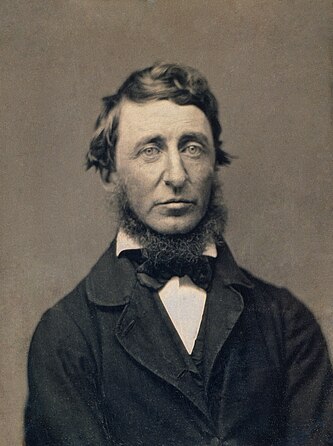
About Henry David Thoreau