March 24, 1857
“
If you are describing any occurrence... make two or more distinct reports at different times... We discriminate at first only a few features, and we need to reconsider our experience from many points of view and in various moods in order to perceive the whole.
— Henry David Thoreau
What It Means
This is a placeholder explanation generated by the low-overhead model. It interprets "If you are describing any occurrence... make two or more distinct reports at different times... We discriminate at first only a few features, and we need to reconsider our experience from many points of view and in various moods in order to perceive the whole." in the context of "March 24, 1857" to mean that wisdom is timeless.
Source: Wikiquote: "Henry David Thoreau" (Quotes, Journals (1838-1859))
The 'What it means' explanation text was generated by Google Gemini Flash (accessed January 18, 2026). https://gemini.google.com/app
Tags
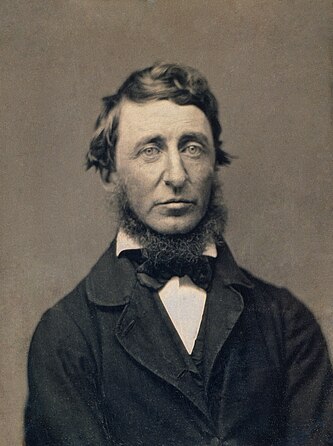
About Henry David Thoreau
Henry David Thoreau (12 July 1817 – 6 May 1862) was an American essayist, poet, philosopher, abolitionist, naturalist, tax resister, development critic, surveyor, and historian. A leading transcendentalist, Thoreau is best known for his book Walden, a reflection upon simple living in natural surroundings, and his essay Resistance to Civil Government (also known as Civil Disobedience), an argument for disobedience to an unjust state.
View all quotes →