We never despised the world or its opinions, we only failed to find out its existence. The world, if it exists, feels exactly in the same way towards us, and cares not one straw whether we exist or not. Philosophy has never got beyond this point. There are but two schools: one turns the world onto me; the other turns me onto the world; and the result is the same. The so-called me is a very, very small and foolish puppy-dog, but it is all that exists, and it tries all its life to get a little bigger by enlarging its energies, and getting dollars or getting friends.
What It Means
This is a placeholder explanation generated by the low-overhead model. It interprets "We never despised the world or its opinions, we only failed to find out its existence. The world, if it exists, feels exactly in the same way towards us, and cares not one straw whether we exist or not. Philosophy has never got beyond this point. There are but two schools: one turns the world onto me; the other turns me onto the world; and the result is the same. The so-called me is a very, very small and foolish puppy-dog, but it is all that exists, and it tries all its life to get a little bigger by enlarging its energies, and getting dollars or getting friends." in the context of "Letter to Elizabeth Cameron (13 May 1905), in Worthington C. Ford ed., Letters of Henry Adams, Volume 2: 1892–1918 (Boston and New York: Houghton Mifflin, 1938), p. 451" to mean that wisdom is timeless.

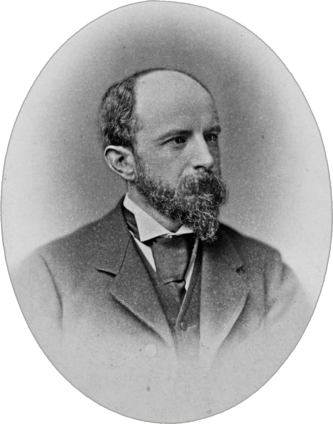
About Henry Adams