… The war has shown us that we have tremendous resources to make all the materials for war. It has shown us that we have skillful workers and managers and able generals, and a brave people capable of bearing arms. All these things we knew before. The new thing — the thing which we had not known — the thing we have learned now and should never forget, is this: that a society of self-governing men is more powerful, more enduring, more creative than any other kind of society, however disciplined, however centralized.
What It Means
This is a placeholder explanation generated by the low-overhead model. It interprets "… The war has shown us that we have tremendous resources to make all the materials for war. It has shown us that we have skillful workers and managers and able generals, and a brave people capable of bearing arms. All these things we knew before. The new thing — the thing which we had not known — the thing we have learned now and should never forget, is this: that a society of self-governing men is more powerful, more enduring, more creative than any other kind of society, however disciplined, however centralized." in the context of "Harry S. Truman Report on the Potsdam Conference (1945)" to mean that wisdom is timeless.

Tags
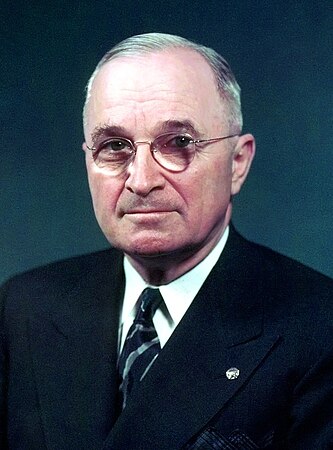
About Harry S. Truman