Of course, there are dangers in religious freedom and freedom of opinion. But to deny these rights is worse than dangerous, it is absolutely fatal to liberty. The external threat to liberty should not drive us into suppressing liberty at home. Those who want the Government to regulate matters of the mind and spirit are like men who are so afraid of being murdered that they commit suicide to avoid assassination.
What It Means
This is a placeholder explanation generated by the low-overhead model. It interprets "Of course, there are dangers in religious freedom and freedom of opinion. But to deny these rights is worse than dangerous, it is absolutely fatal to liberty. The external threat to liberty should not drive us into suppressing liberty at home. Those who want the Government to regulate matters of the mind and spirit are like men who are so afraid of being murdered that they commit suicide to avoid assassination." in the context of "Harry S. Truman, in address at the National Archives dedicating a shrine for the Declaration of Independence, the Constitution, and the Bill of Rights (15 December 1952)]" to mean that wisdom is timeless.

Tags
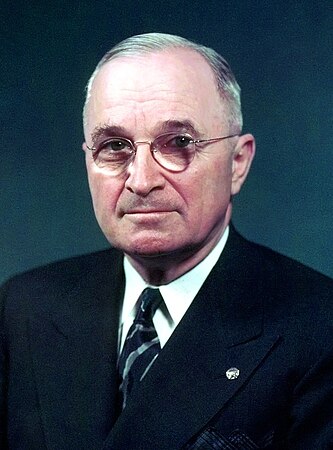
About Harry S. Truman