The significance of a work of art is determined then by the quality of its growth. This involves intangible forces inherent in the process of development. Although these forces are surreal (that is, their nature is something beyond physical reality), they, nevertheless, depend on a physical carrier. The physical carrier (commonly painting or sculpture) is the medium of expression of the Surreal. Thus, an idea is communicable only when the surreal is converted into material terms. The artist's technical problem is how to transform the material with which he works back into the sphere of the spirit.
What It Means
This is a placeholder explanation generated by the low-overhead model. It interprets "The significance of a work of art is determined then by the quality of its growth. This involves intangible forces inherent in the process of development. Although these forces are surreal (that is, their nature is something beyond physical reality), they, nevertheless, depend on a physical carrier. The physical carrier (commonly painting or sculpture) is the medium of expression of the Surreal. Thus, an idea is communicable only when the surreal is converted into material terms. The artist's technical problem is how to transform the material with which he works back into the sphere of the spirit." in the context of "Hans Hofmann in 'Search for the Real in the Visual Arts' (1948), p. 40" to mean that wisdom is timeless.
Tags
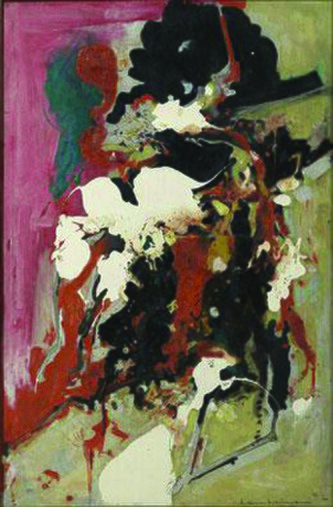
About Hans Hofmann