Joan Mitchell, 'Oral history interview', 1986 Apr. 16, Archives of American Art, Smithsonian Institution, interviewer: Linda Nochlin; first side of the first tape
“
And I came [to New York, 1945].. ..to study with Hofmann.. .And I went to Hofmann's class and I couldn't understand a word he said so I left, terrified. But he and I became friends later on. Friends, but I never studied with him..
— Joan Mitchell
What It Means
This is a placeholder explanation generated by the low-overhead model. It interprets "And I came [to New York, 1945].. ..to study with Hofmann.. .And I went to Hofmann's class and I couldn't understand a word he said so I left, terrified. But he and I became friends later on. Friends, but I never studied with him.." in the context of "Joan Mitchell, 'Oral history interview', 1986 Apr. 16, Archives of American Art, Smithsonian Institution, interviewer: Linda Nochlin; first side of the first tape" to mean that wisdom is timeless.
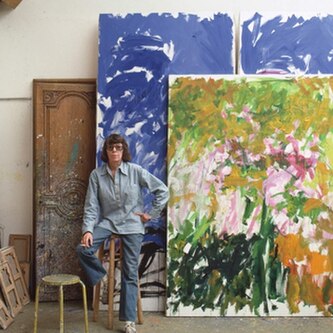
Source: Wikiquote: "Hans Hofmann" (Quotes about Hans Hofmann)
The 'What it means' explanation text was generated by Google Gemini Flash (accessed January 18, 2026). https://gemini.google.com/app
Tags
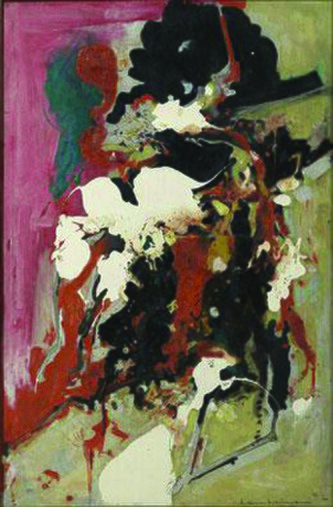
About Hans Hofmann
Hans Hofmann (21 March 1880 – 17 February 1966) was one of the older abstract expressionist painters working in New York. Hofmann originally came from Germany where he experienced the new art and so he connected European with modern American abstract art. He had strong influence as an art-teacher and writer on the younger American abstract artists after 1940.
View all quotes →