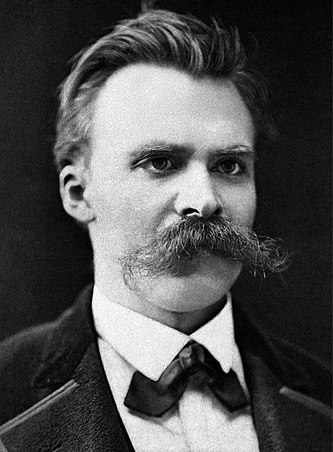
There are critics who see in all this proof that Nietzsche showed signs of insanity from early manhood, but as a matter of fact it was his abnormally accurate vision and not a vision gone awry, that made him stand so aloof from his fellows. In the vast majority of those about him he saw the coarse metal of sham and pretense beneath the showy gilding of learning. ... It was inevitable that he should perceive the difference between his own fanatical striving for the truth and the easy dependence upon precedent and formula which lay beneath their booming bombast.
What It Means
This is a placeholder explanation generated by the low-overhead model. It interprets "There are critics who see in all this proof that Nietzsche showed signs of insanity from early manhood, but as a matter of fact it was his abnormally accurate vision and not a vision gone awry, that made him stand so aloof from his fellows. In the vast majority of those about him he saw the coarse metal of sham and pretense beneath the showy gilding of learning. ... It was inevitable that he should perceive the difference between his own fanatical striving for the truth and the easy dependence upon precedent and formula which lay beneath their booming bombast." in the context of "H. L. Mencken, The Philosophy of Friedrich Nietzsche (1908), p. 27-28" to mean that wisdom is timeless.
Tags
About H. L. Mencken