Chapter 14, A Beautiful Episode (p. 339)
“
The matter of “right and wrong” was a subject in which he had long been interested. Indeed, it had been a deeply personal concern ever since, early in his career, he had detected a great distinction between morality and honor. “I have never met a thoroughly moral man who was honorable,” he had written in Prejudices, by which he had meant that fervently moral men would employ any means, including dishonorable ones, to achieve their ends.
— H. L. Mencken
What It Means
This is a placeholder explanation generated by the low-overhead model. It interprets "The matter of “right and wrong” was a subject in which he had long been interested. Indeed, it had been a deeply personal concern ever since, early in his career, he had detected a great distinction between morality and honor. “I have never met a thoroughly moral man who was honorable,” he had written in Prejudices, by which he had meant that fervently moral men would employ any means, including dishonorable ones, to achieve their ends." in the context of "Chapter 14, A Beautiful Episode (p. 339)" to mean that wisdom is timeless.
Source: Wikiquote: "H. L. Mencken" (Quotes, Mencken: A Life by Fred Hobson (1994): All page numbers from the trade paperback edition published by The Johns Hopkins University Press - Maryland Paperback Bookshelf, , 1st printing
All quotes are sourced from Mencken's writings in the end notes to the book. All ellipses as in the book, presumably representing elisions from the original source material. )
The 'What it means' explanation text was generated by Google Gemini Flash (accessed January 18, 2026). https://gemini.google.com/app
Tags
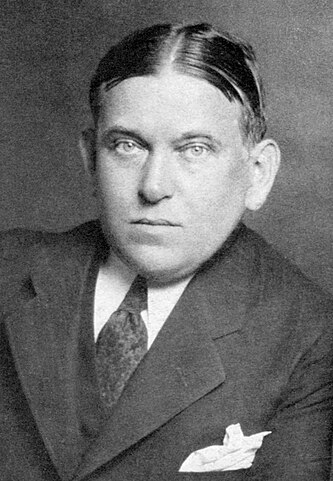
About H. L. Mencken
Henry Louis Mencken (12 September 1880 – 29 January 1956), known as H. L. Mencken, was a twentieth-century journalist, satirist, social critic, cynic, and freethinker, known as the "Sage of Baltimore" and the "American Nietzsche". He is often regarded as one of the most influential American writers of the early 20th century.
View all quotes →