The hero of the inferior—i.e., the typically American—novel engages in no such doomed and fateful combat. His conflict is not with the inexplicable ukases of destiny, the limitations of his own strength, the dead hand upon him, but simply with the superficial desires of his elemental fellow men. He thus has a fair chance of winning—and in bad fiction that chance is always converted into a certainty. So he marries the daughter of the owner of the factory and eventually gobbles the factory itself. His success gives thrills to persons who can imagine no higher aspiration. He embodies their optimism, as the other hero embodies the pessimism of more introspective and idealistic men. He is the protagonist of that great majority which is so inferior that it is quite unconscious of its inferiority.
What It Means
This is a placeholder explanation generated by the low-overhead model. It interprets "The hero of the inferior—i.e., the typically American—novel engages in no such doomed and fateful combat. His conflict is not with the inexplicable ukases of destiny, the limitations of his own strength, the dead hand upon him, but simply with the superficial desires of his elemental fellow men. He thus has a fair chance of winning—and in bad fiction that chance is always converted into a certainty. So he marries the daughter of the owner of the factory and eventually gobbles the factory itself. His success gives thrills to persons who can imagine no higher aspiration. He embodies their optimism, as the other hero embodies the pessimism of more introspective and idealistic men. He is the protagonist of that great majority which is so inferior that it is quite unconscious of its inferiority." in the context of "H. L. Mencken, “The National Letters,” Prejudices: Second Series (New York: 1920), p. 43" to mean that wisdom is timeless.
Tags
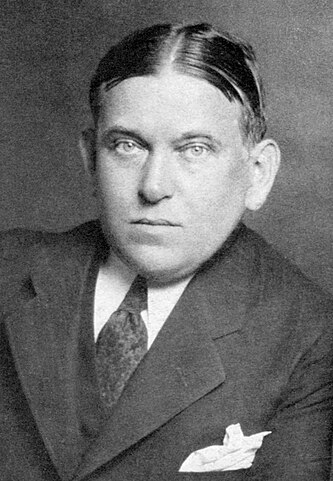
About H. L. Mencken