It was not merely a moral and a social revolution that Jesus proclaimed; it is clear from a score of indications that his teaching had a political bent of the plainest sort. It is true that he said his kingdom was not of this world, that it was in the hearts of men and not upon a throne; but it is equally clear that wherever and in what measure his kingdom was set up in the hearts of men, the outer world would be in that measure revolutionized and made new. Whatever else the deafness and blindness of his hearers may have missed in his utterances, it is plain that they did not miss his resolve to revolutionize the world.
What It Means
This is a placeholder explanation generated by the low-overhead model. It interprets "It was not merely a moral and a social revolution that Jesus proclaimed; it is clear from a score of indications that his teaching had a political bent of the plainest sort. It is true that he said his kingdom was not of this world, that it was in the hearts of men and not upon a throne; but it is equally clear that wherever and in what measure his kingdom was set up in the hearts of men, the outer world would be in that measure revolutionized and made new. Whatever else the deafness and blindness of his hearers may have missed in his utterances, it is plain that they did not miss his resolve to revolutionize the world." in the context of "H. G. Wells, in The Outline of History (1920), Ch. 28" to mean that wisdom is timeless.

Tags
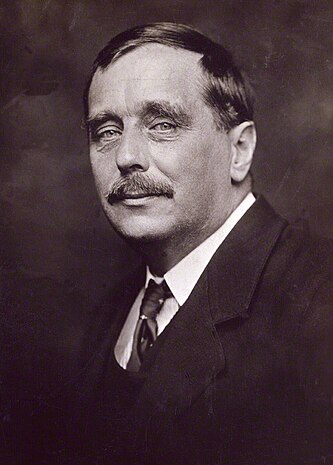
About H. G. Wells