Attributed to Guru Tegh Bahadur by V. D. Savarkar, in his Essentials of Hindutva, 1923. https://archive.org/details/hindutva-vinayak-damodar-savarkar-pdf/page/n71/mode/2up
“
How can I disgrace the Hindu Dharma, so dear to my heart?
— Guru Tegh Bahadur
What It Means
This is a placeholder explanation generated by the low-overhead model. It interprets "How can I disgrace the Hindu Dharma, so dear to my heart?" in the context of "Attributed to Guru Tegh Bahadur by V. D. Savarkar, in his Essentials of Hindutva, 1923. https://archive.org/details/hindutva-vinayak-damodar-savarkar-pdf/page/n71/mode/2up" to mean that wisdom is timeless.

Source: Wikiquote: "Guru Tegh Bahadur" (Quotes, Attributed)
The 'What it means' explanation text was generated by Google Gemini Flash (accessed January 18, 2026). https://gemini.google.com/app
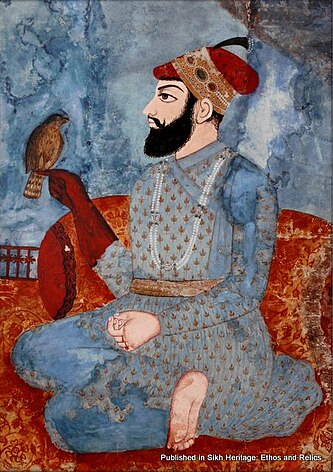
About Guru Tegh Bahadur
Guru Tegh Bahadur (1 April 1621 – 24 November 1675), revered as the ninth Nanak, was the ninth of ten Gurus who founded the Sikh religion and the leader of Sikhs from 1665 until his beheading in 1675. Tegh Bahadur continued in the spirit of the first guru, Nanak; his 115 poetic hymns are in the text Guru Granth Sahib. Tegh Bahadur resisted the forced conversions of Kashmiri Pandits and non-Muslims to Islam, and was publicly beheaded in 1675 on the orders of Mughal emperor Aurangzeb in Delhi for refusing to convert to Islam.
View all quotes →