Georges Cuvier was a great naturalist from the beginning of the 19th century, so right around 1800, and he was the first person to really say organisms go extinct...And Georges Cuvier came along and said, you know, really, essentially, if they’re out there, we would have seen them. We haven’t seen them: They’re gone. And he posited this whole lost world, which he then proceeded to start to uncover. So a lot of the animal names that we have now—for example, pterodactyl—he came up with. He was the first person to identify a pterodactyl. And his theory was that animals only went extinct in these catastrophic waves—you know, something happened, the planet changed; otherwise, why else would they go extinct? And then a naturalist named Charles Lyell, who was Charles Darwin’s mentor, came along, and he said, “That’s ridiculous. You know, we never see these catastrophes. They don’t happen. Only—the only way the Earth changes is very, very, very gradually, and things go extinct very gradually, and the world changes very gradually.” And that became sort of the doctrine for a very long time, over a hundred years, until the Alvarezes came along and identified an asteroid impact as the event that had done in the dinosaurs—and many other creatures, I should say.
What It Means
This is a placeholder explanation generated by the low-overhead model. It interprets "Georges Cuvier was a great naturalist from the beginning of the 19th century, so right around 1800, and he was the first person to really say organisms go extinct...And Georges Cuvier came along and said, you know, really, essentially, if they’re out there, we would have seen them. We haven’t seen them: They’re gone. And he posited this whole lost world, which he then proceeded to start to uncover. So a lot of the animal names that we have now—for example, pterodactyl—he came up with. He was the first person to identify a pterodactyl. And his theory was that animals only went extinct in these catastrophic waves—you know, something happened, the planet changed; otherwise, why else would they go extinct? And then a naturalist named Charles Lyell, who was Charles Darwin’s mentor, came along, and he said, “That’s ridiculous. You know, we never see these catastrophes. They don’t happen. Only—the only way the Earth changes is very, very, very gradually, and things go extinct very gradually, and the world changes very gradually.” And that became sort of the doctrine for a very long time, over a hundred years, until the Alvarezes came along and identified an asteroid impact as the event that had done in the dinosaurs—and many other creatures, I should say." in the context of "Elizabeth Kolbert Interview with Democracy Now (2014)" to mean that wisdom is timeless.

Tags
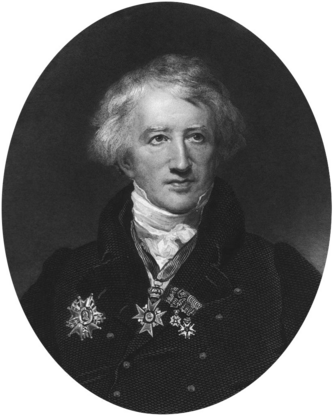
About Georges Cuvier