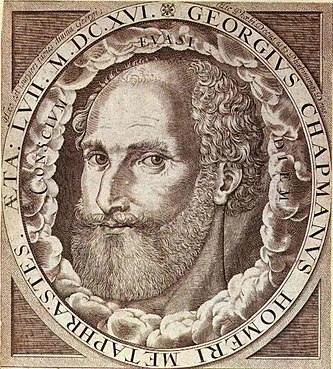
Act II, scene i.
“
Our hopes, I see, resemble much the sun,
That rising and declining cast large shadows;
But when his beams are dressed in's midday brightness,
Yields none at all: when they are farthest from
Success, their guilt reflection does display
The largest shows of events fair and prosperous.
— George Chapman
What It Means
This is a placeholder explanation generated by the low-overhead model. It interprets "Our hopes, I see, resemble much the sun,
That rising and declining cast large shadows;
But when his beams are dressed in's midday brightness,
Yields none at all: when they are farthest from
Success, their guilt reflection does display
The largest shows of events fair and prosperous." in the context of "Act II, scene i." to mean that wisdom is timeless.
Source: Wikiquote: "George Chapman" (Disputed, Revenge for Honour (1654): Attributed, probably falsely, to Chapman. The play may have been written by Henry Glapthorne.)
The 'What it means' explanation text was generated by Google Gemini Flash (accessed January 18, 2026). https://gemini.google.com/app
Tags