G. M. Trevelyan on Victoria of the United Kingdom
← Back to G. M. Trevelyan Profile
“Queen Victoria had put an end to the Republican movement in Great Britain and in the Dominions, not by what she had done, but by what she had been, and by what she had refrained from doing. She had won back public respect for the monarchy in her person. And she had disarmed political hostility to the throne by effacing its occupant as a governing power. It was her habit to express to her advisers, often with unnecessary emphasis, her views on all public questions, but she had not insisted on having her way. She had been content with a purely consultative function in relation to Ministers who were in effect chosen for her by Parliament, sometimes much against her own ideas of their fitness.”
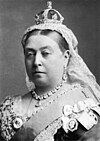
“She had made the monarchy welcome everywhere, as the representative of the public life of the nation in its non-political aspects. All through her reign, but most of all during its last twenty years, she had appealed to the common human heart of plain people, as a woman who was herself decidedly a "plain person," more apt than the clever, the cultured or the aristocratic of soul to sympathise with the elementary joys and sorrows of her subjects. When she said that she was grieved by some public or private calamity, people knew that her sorrow was sincere, and of the same nature as their own. There was nothing superfine about Queen Victoria in her widowhood. None the less, she made the world recognise in her the symbol of all that was mighty and lasting in the life of England and of the races associated with England in Empire. Because she thus combined the very human and the very high, sentiment about her person became, at the end, akin to the religious. And for an Empire which desired to hold together in brotherhood, but refused to be federated into a single parliamentary Constitution, the only possible unit, in symbolism or in law, was found at last to be the historic Crown of Britain.”