David L. Norton, Personal Destinies: A Philosophy of Ethical Individualism (1976), p. 80
“
Loyalty to life, according to Nietzsche, begins in the resolve to seek life's principle with itself and not in something outside it—not, for example, in a God or supernature that, by being conceived as all that life is not—infinite, eternal, changeless, perfect goodness, perfect plenitude—stands as antithetical to life.
— David L. Norton
What It Means
This is a placeholder explanation generated by the low-overhead model. It interprets "Loyalty to life, according to Nietzsche, begins in the resolve to seek life's principle with itself and not in something outside it—not, for example, in a God or supernature that, by being conceived as all that life is not—infinite, eternal, changeless, perfect goodness, perfect plenitude—stands as antithetical to life." in the context of "David L. Norton, Personal Destinies: A Philosophy of Ethical Individualism (1976), p. 80" to mean that wisdom is timeless.
Source: Wikiquote: "Friedrich Nietzsche" (Quotes about Nietzsche: Alphabetized by surname., N)
The 'What it means' explanation text was generated by Google Gemini Flash (accessed January 18, 2026). https://gemini.google.com/app
Tags
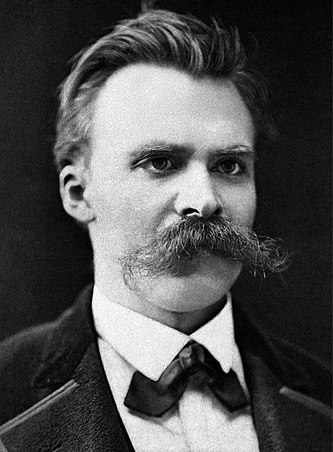
About Friedrich Nietzsche
Friedrich Wilhelm Nietzsche (15 October 1844 – 25 August 1900) was a German philosopher, cultural critic, composer, poet, writer, and philologist whose work has exerted a profound influence on modern intellectual history. His critiques of contemporary culture, religion, and philosophy centered on a basic question regarding the foundation of values and morality.
View all quotes →