It is night: now all fountains speak more loudly. And my soul too is a fountain. It is night: only now all the songs of the lovers awaken. And my soul too is the song of a lover. An unstilled, an unstillable something is in me; it wants to be heard. A craving for love is in me, which itself speaks the language of love. [...] It is night: alas that I must be light! And thirst for the nocturnal! And loneliness! It is night: now my longing breaks out of me like a well – I long to speak. It is night: now all fountains speak more loudly. And my soul too is a fountain. It is night: only now all the songs of the lovers awaken. And my soul too is the song of a lover.
What It Means
This is a placeholder explanation generated by the low-overhead model. It interprets "It is night: now all fountains speak more loudly. And my soul too is a fountain. It is night: only now all the songs of the lovers awaken. And my soul too is the song of a lover. An unstilled, an unstillable something is in me; it wants to be heard. A craving for love is in me, which itself speaks the language of love. [...] It is night: alas that I must be light! And thirst for the nocturnal! And loneliness! It is night: now my longing breaks out of me like a well – I long to speak. It is night: now all fountains speak more loudly. And my soul too is a fountain. It is night: only now all the songs of the lovers awaken. And my soul too is the song of a lover." in the context of "Friedrich Nietzsche, Thus Spoke Zarathustra (1891), "Night Song"; tr. Adrian Del Caro (2006)" to mean that wisdom is timeless.

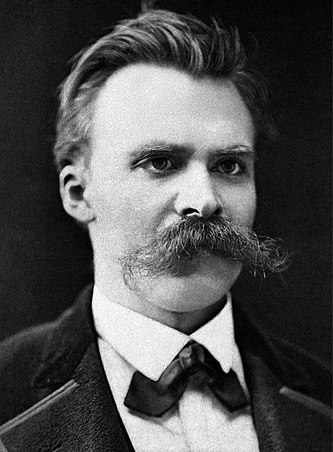
About Friedrich Nietzsche