We have referred to Marxism and National Socialism as secular religions. They are not opposites, but are fundamentally akin, in a religious as well as in a secular sense. Both are messianic and socialistic. Both reject the Christian knowledge that all are under sin and both see in good and evil principles of class or race. Both have enthroned the modern Caesar, collective man, the implacable enemy of the individual soul. Both would render unto this Caesar the things which are God’s. Both would make man master of his own destiny, establish the Kingdom of Heaven in this world. Neither will hear of any Kingdom that is not of this world.
What It Means
This is a placeholder explanation generated by the low-overhead model. It interprets "We have referred to Marxism and National Socialism as secular religions. They are not opposites, but are fundamentally akin, in a religious as well as in a secular sense. Both are messianic and socialistic. Both reject the Christian knowledge that all are under sin and both see in good and evil principles of class or race. Both have enthroned the modern Caesar, collective man, the implacable enemy of the individual soul. Both would render unto this Caesar the things which are God’s. Both would make man master of his own destiny, establish the Kingdom of Heaven in this world. Neither will hear of any Kingdom that is not of this world." in the context of "pp. 33-34" to mean that wisdom is timeless.
Tags
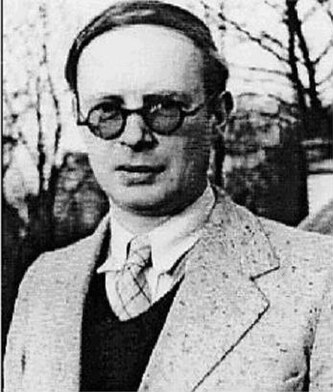
About Frederick Augustus Voigt