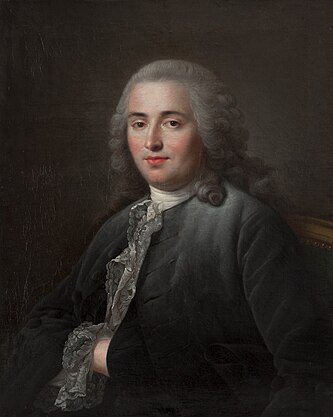
Turgot could not save France from her Revolution, but he gave her, and all countries, practical, working theories on government, on the liberty of the press, on the best means of helping the poor, on the use of riches, on civil, political, and religious liberty, which are still invaluable. … He has been justly said to have founded modern political economy ; to have bequeathed to future generations ' the idea of the freedom of industry;' and to have made ready the way for the reforms which are the glory of our own day. Among Voltaire's fellow-workers there are far more dazzling personalities. But from their fiery words, exalted visions, and too glorious hopes one turns with a certain sense of relief to this quiet, strong, practical man, and understands why the people, whose instinct in judging the character of their rulers seldom betrays them in the long run, specially acclaimed Turgot as a friend.
What It Means
This is a placeholder explanation generated by the low-overhead model. It interprets "Turgot could not save France from her Revolution, but he gave her, and all countries, practical, working theories on government, on the liberty of the press, on the best means of helping the poor, on the use of riches, on civil, political, and religious liberty, which are still invaluable. … He has been justly said to have founded modern political economy ; to have bequeathed to future generations ' the idea of the freedom of industry;' and to have made ready the way for the reforms which are the glory of our own day. Among Voltaire's fellow-workers there are far more dazzling personalities. But from their fiery words, exalted visions, and too glorious hopes one turns with a certain sense of relief to this quiet, strong, practical man, and understands why the people, whose instinct in judging the character of their rulers seldom betrays them in the long run, specially acclaimed Turgot as a friend." in the context of "Evelyn Beatrice Hall in The Friends of Voltaire (1906), Ch. 8: Turgot: The Statesman" to mean that wisdom is timeless.
Tags
About Eve