Emily Brontë, in "I Am the Only Being" (1836)
“
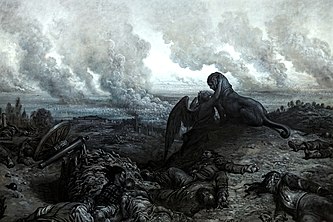
I am the only being whose doom No tongue would ask no eye would mourn I never caused a thought of gloom A smile of joy since I was born
— Emily Brontë on Doom
What It Means
This is a placeholder explanation generated by the low-overhead model. It interprets "I am the only being whose doom No tongue would ask no eye would mourn I never caused a thought of gloom A smile of joy since I was born" in the context of "Emily Brontë, in "I Am the Only Being" (1836)" to mean that wisdom is timeless.
Source: Wikiquote: "Doom" (B)
The 'What it means' explanation text was generated by Google Gemini Flash (accessed February 01, 2026). https://gemini.google.com/app
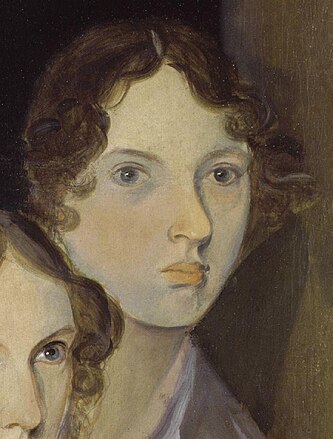
About Emily Brontë
Emily Jane Brontë (30 July 1818 – 19 December 1848) was an English novelist and poet who was the sister of Charlotte and Anne Brontë, known as the Brontë sisters. Her only novel, Wuthering Heights, was first published under the pseudonym Ellis Bell.
About Emily Brontë
Emily Jane Brontë (30 July 1818 – 19 December 1848) was an English novelist and poet who was the sister of Charlotte and Anne Brontë, known as the Brontë sisters. Her only novel, Wuthering Heights, was first published under the pseudonym Ellis Bell.
View all quotes →