Emil Cioran, On the Heights of Despair (1996)
“
I too have a hope: a hope for absolute forgetfulness. But is it hope or despair? Is it not the negation of all future hopes? I want not to know, not to know even that I do not know. Why so many problems, arguments, vexations? Why the consciousness of death? How much longer all this thinking and philosophizing?
— Emil Cioran on Philosophical pessimism
What It Means
This is a placeholder explanation generated by the low-overhead model. It interprets "I too have a hope: a hope for absolute forgetfulness. But is it hope or despair? Is it not the negation of all future hopes? I want not to know, not to know even that I do not know. Why so many problems, arguments, vexations? Why the consciousness of death? How much longer all this thinking and philosophizing?" in the context of "Emil Cioran, On the Heights of Despair (1996) " to mean that wisdom is timeless.

Source: Wikiquote: "Philosophical pessimism" (C)
The 'What it means' explanation text was generated by Google Gemini Flash (accessed January 18, 2026). https://gemini.google.com/app
Tags
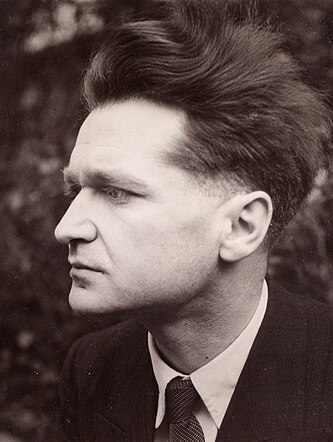
About Emil Cioran
Emil Cioran (8 April 1911 – 20 June 1995) was a Romanian philosopher and essayist whose work is known for its pervasive philosophical pessimism, which frequently engages with issues of suffering, decay, and nihilism.
About Emil Cioran
Emil Cioran (8 April 1911 – 20 June 1995) was a Romanian philosopher and essayist whose work is known for its pervasive philosophical pessimism, which frequently engages with issues of suffering, decay, and nihilism.
View all quotes →