The continual attention of sovereigns to every occurrence, the constant residence of ministers, and the perpetual negotiations, make of modern Europe a kind of republic, of which the members—each independent, but all linked together by the ties of common interest—unite for the maintenance of order and liberty. Hence arose that famous scheme of the political balance, or the equilibrium of power; by which is understood such a disposition of things, as that no one potentate be able absolutely to predominate, and prescribe laws to the others.
What It Means
This is a placeholder explanation generated by the low-overhead model. It interprets "The continual attention of sovereigns to every occurrence, the constant residence of ministers, and the perpetual negotiations, make of modern Europe a kind of republic, of which the members—each independent, but all linked together by the ties of common interest—unite for the maintenance of order and liberty. Hence arose that famous scheme of the political balance, or the equilibrium of power; by which is understood such a disposition of things, as that no one potentate be able absolutely to predominate, and prescribe laws to the others." in the context of "Emer de Vattel, The Law of Nations: Or, Principles of the Law of Nature Applied to the Conduct and Affairs of Nations and Sovereigns (1797; 2008), bk. III, chap. III, § 47" to mean that wisdom is timeless.

Tags
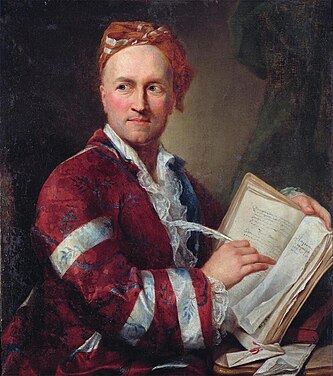
About Emer de Vattel