Edmund Spenser, The Faerie Queene (1589-96), Book I, Canto III, Stanza 4.
“
Her angel's face, As the great eye of heaven, shyned bright, And made a sunshine in the shady place.
— Edmund Spenser on Faces
What It Means
This is a placeholder explanation generated by the low-overhead model. It interprets "Her angel's face, As the great eye of heaven, shyned bright, And made a sunshine in the shady place." in the context of "Edmund Spenser, The Faerie Queene (1589-96), Book I, Canto III, Stanza 4." to mean that wisdom is timeless.

Source: Wikiquote: "Faces" (Quotes, Hoyt's New Cyclopedia Of Practical Quotations: Quotes reported in Hoyt's New Cyclopedia Of Practical Quotations (1922), p. 250-52.)
The 'What it means' explanation text was generated by Google Gemini Flash (accessed January 18, 2026). https://gemini.google.com/app
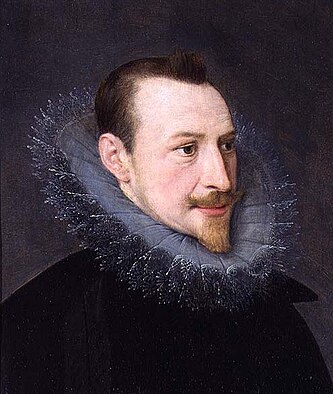
About Edmund Spenser
Edmund Spenser (c. 1552 – 13 January 1599) was an English poet, who wrote such pastorals as The Shepheardes Calendar, Astrophell and Colin Clouts Come Home Againe, but is most famous for the multi-layered allegorical romance, The Faerie Queene.
About Edmund Spenser
Edmund Spenser (c. 1552 – 13 January 1599) was an English poet, who wrote such pastorals as The Shepheardes Calendar, Astrophell and Colin Clouts Come Home Againe, but is most famous for the multi-layered allegorical romance, The Faerie Queene.
View all quotes →