“
While in jail for her part in the White House suffrage picketing and on hunger strike, Day began reading the Bible, and found relief in the reading from her intense physical and emotional distress. It was then, Day writes, that she began to think of her political activism in religious terms: "If we had faith in what we were doing, making our protest against brutality and injustice, then we were indeed casting our seeds, and there was promise of the harvest to come. ... I prayed and did not know that I prayed" (Long Loneliness, 78).
— Source
What It Means
This is a placeholder explanation generated by the low-overhead model. It interprets "While in jail for her part in the White House suffrage picketing and on hunger strike, Day began reading the Bible, and found relief in the reading from her intense physical and emotional distress. It was then, Day writes, that she began to think of her political activism in religious terms: "If we had faith in what we were doing, making our protest against brutality and injustice, then we were indeed casting our seeds, and there was promise of the harvest to come. ... I prayed and did not know that I prayed" (Long Loneliness, 78)." in the context of "" to mean that wisdom is timeless.
Source:
The 'What it means' explanation text was generated by Google Gemini Flash (accessed January 18, 2026). https://gemini.google.com/app
Tags
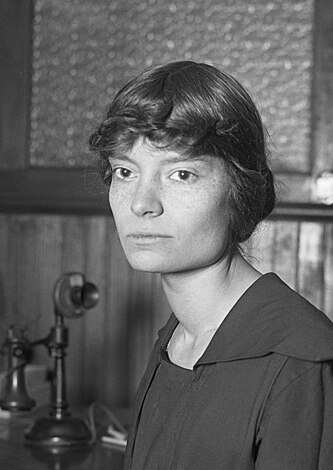
About Dorothy Day
Dorothy Day (8 November 1897 – 29 November 1980) was an American journalist turned social activist. A pacifist, anarchist and a devout member of the Catholic Church, she advocated distributism and was a co-founder, with Peter Maurin, of the Catholic Worker movement. She authored several books and spoke often in public about faith and social justice.
View all quotes →