From Plutarch, Alexander, 14. Cf. Diogenes Laërtius, vi. 38, Cicero, Tusculan Disputations, v. 32
“
When Alexander the Great addressed him with greetings, and asked if he wanted anything, Diogenes replied "Yes, stand a little out of my sunshine."
— Diogenes of Sinope
What It Means
This is a placeholder explanation generated by the low-overhead model. It interprets "When Alexander the Great addressed him with greetings, and asked if he wanted anything, Diogenes replied "Yes, stand a little out of my sunshine."" in the context of "From Plutarch, Alexander, 14. Cf. Diogenes Laërtius, vi. 38, Cicero, Tusculan Disputations, v. 32" to mean that wisdom is timeless.
Source: Wikiquote: "Diogenes of Sinope" (Quoted by Plutarch)
The 'What it means' explanation text was generated by Google Gemini Flash (accessed January 18, 2026). https://gemini.google.com/app
Tags
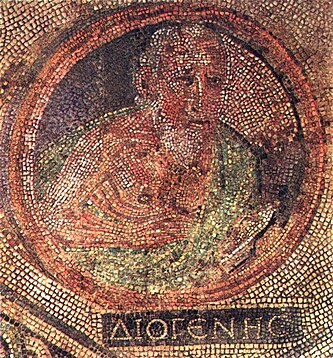
About Diogenes of Sinope
Diogenes of Sinope (or Diogenes the Cynic; c. 412 BC – 323 BC) was the most famous of the Cynic philosophers of ancient Greece. No writings of his survive, but his sayings are recorded by Diogenes Laërtius and others.
About Diogenes of Sinope
Diogenes of Sinope (or Diogenes the Cynic; c. 412 BC – 323 BC) was the most famous of the Cynic philosophers of ancient Greece. No writings of his survive, but his sayings are recorded by Diogenes Laërtius and others.
View all quotes →