If the body brought a suit against the soul for all the sufferings and ills it had endured throughout its whole life, and one had to judge the case oneself, one would readily condemn the soul for having ruined certain features of the body through carelessness and made it soft through drink and brought it to rack and ruin through love of pleasure, just as if a tool or a utensil were in a bad state one would blame the person who used it carelessly.
What It Means
This is a placeholder explanation generated by the low-overhead model. It interprets "If the body brought a suit against the soul for all the sufferings and ills it had endured throughout its whole life, and one had to judge the case oneself, one would readily condemn the soul for having ruined certain features of the body through carelessness and made it soft through drink and brought it to rack and ruin through love of pleasure, just as if a tool or a utensil were in a bad state one would blame the person who used it carelessly." in the context of "Democritus, Fragment 34, cited in Plutarch, Do Desire and Distress Belong to the Body or the Soul?, The Atomists, C. Taylor, trans. (1999)" to mean that wisdom is timeless.

Tags
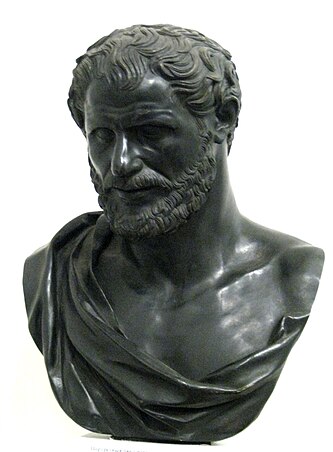
About Democritus