By convention (νόμῳ) sweet is sweet, by convention bitter is bitter, by convention hot is hot, by convention cold is cold, by convention color is color. But in reality there are atoms and the void. That is, the objects of sense are supposed to be real and it is customary to regard them as such, but in truth they are not. Only the atoms and the void are real.
What It Means
This is a placeholder explanation generated by the low-overhead model. It interprets "By convention (νόμῳ) sweet is sweet, by convention bitter is bitter, by convention hot is hot, by convention cold is cold, by convention color is color. But in reality there are atoms and the void. That is, the objects of sense are supposed to be real and it is customary to regard them as such, but in truth they are not. Only the atoms and the void are real." in the context of "Democritus, Fragments (c. 420 B.C.) from Sextus Empiricus (c. 200 AD) Adversus Mathematicos (Against the Mathematicians) VII, 135. As quoted in The Source Book in Ancient Philosophy (1909) Tr. Charles Montague Bakewell, p. 60." to mean that wisdom is timeless.

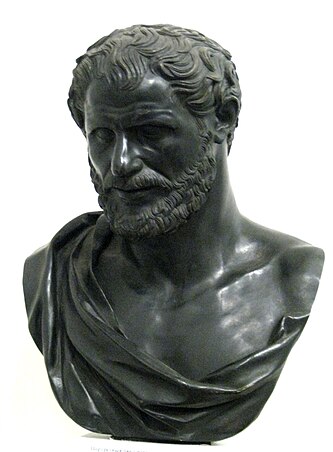
About Democritus