David Frawley, How I Became A Hindu - My Discovery Of Vedic Dharma , 2000
“
I was particularly affected by the Chandogya Upanishad, which comes from the Sama Veda or the Veda of song. The book itself would seem to sing or to chant to me. I would merely look at the book and start to hear the Vedic students of old raising their voices to the Divine. Something of the Vedic shakti came through it along with a connection to the ancient seers, their families and their practices.
— David Frawley on Chandogya Upanishad
What It Means
This is a placeholder explanation generated by the low-overhead model. It interprets "I was particularly affected by the Chandogya Upanishad, which comes from the Sama Veda or the Veda of song. The book itself would seem to sing or to chant to me. I would merely look at the book and start to hear the Vedic students of old raising their voices to the Divine. Something of the Vedic shakti came through it along with a connection to the ancient seers, their families and their practices." in the context of "David Frawley, How I Became A Hindu - My Discovery Of Vedic Dharma , 2000" to mean that wisdom is timeless.
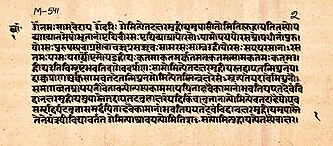
Source: Wikiquote: "Chandogya Upanishad" (About)
The 'What it means' explanation text was generated by Google Gemini Flash (accessed January 18, 2026). https://gemini.google.com/app
Tags

About David Frawley
David Frawley (born 21. September 1950), is an American Hindu teacher and author, who has written more than thirty books on topics such as the Vedas, Hinduism, Yoga, Ayurveda and Vedic astrology, published both in India and in the United States.
About David Frawley
David Frawley (born 21. September 1950), is an American Hindu teacher and author, who has written more than thirty books on topics such as the Vedas, Hinduism, Yoga, Ayurveda and Vedic astrology, published both in India and in the United States.
View all quotes →