“
There are two morals to the story. The first is: avoid giving false alarms. The second is: in the end, the wolf came, so do not be misled by previous false alarms into thinking that the latest alarm is false, too. Of these two morals, the second one is more significant. Believing false alarms wastes time, but can lead to some helpful advice for apprentice shepherds; disbelieving all alarms can lead to a local lad being eaten, for starters.
— David Fleming
What It Means
This is a placeholder explanation generated by the low-overhead model. It interprets "There are two morals to the story. The first is: avoid giving false alarms. The second is: in the end, the wolf came, so do not be misled by previous false alarms into thinking that the latest alarm is false, too. Of these two morals, the second one is more significant. Believing false alarms wastes time, but can lead to some helpful advice for apprentice shepherds; disbelieving all alarms can lead to a local lad being eaten, for starters." in the context of "Third Annual FEASTA Lecture - The Lean Economy: A Vision of Civility for a World in Trouble (2001)" to mean that wisdom is timeless.
Source: Wikiquote: "David Fleming" (Quotes)
The 'What it means' explanation text was generated by Google Gemini Flash (accessed January 18, 2026). https://gemini.google.com/app
Tags
About David Fleming
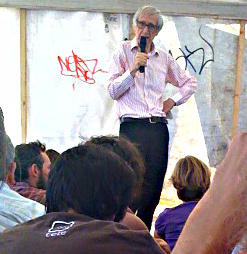
Dr. David Fleming (2 January 1940 – 29 November 2010) was an economist, cultural historian and writer on environmental issues, based in London, England.
About David Fleming
Dr. David Fleming (2 January 1940 – 29 November 2010) was an economist, cultural historian and writer on environmental issues, based in London, England.
View all quotes →