When I joined the World Food Program a few years ago, the number of people that were marching toward the brink of starvation was about 80 million people. But over the past three years pre-COVID, it spiked up to 135 million. And you ask the question why? The primary reason was manmade conflict, compounded with climate extremes and fragile- fragile governments. But since COVID has come in and truly exacerbated every extenuating circumstances we had around the world, the numbers are going from 135 million from one year ago to 270 million people marching to the brink of starvation. This is not people going to bed hungry. This is people really struggling to get their next meal... if we don't address this...this is what we're looking at- we're looking at famines, destabilization and mass migration. And it's a lot cheaper to come in and prevent it and do it right. You know, if people in the United States are struggling for food, what [do] you imagine is happening in Niger, Burkina Faso or South Sudan?
What It Means
This is a placeholder explanation generated by the low-overhead model. It interprets "When I joined the World Food Program a few years ago, the number of people that were marching toward the brink of starvation was about 80 million people. But over the past three years pre-COVID, it spiked up to 135 million. And you ask the question why? The primary reason was manmade conflict, compounded with climate extremes and fragile- fragile governments. But since COVID has come in and truly exacerbated every extenuating circumstances we had around the world, the numbers are going from 135 million from one year ago to 270 million people marching to the brink of starvation. This is not people going to bed hungry. This is people really struggling to get their next meal... if we don't address this...this is what we're looking at- we're looking at famines, destabilization and mass migration. And it's a lot cheaper to come in and prevent it and do it right. You know, if people in the United States are struggling for food, what [do] you imagine is happening in Niger, Burkina Faso or South Sudan?" in the context of "Transcript: David Beasley on "Face the Nation," CBS News, (29 November 2020)" to mean that wisdom is timeless.

Tags
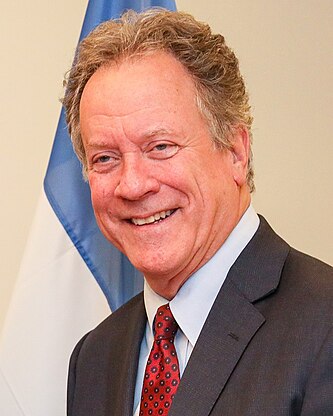
About David Beasley