“So long as you held the reins of government I never did anything without your permission, nor did I ever step beyond my jurisdiction. During your illness Dara usurped all power, girt up his loins to promote Hinduism and destroy Islam, and acted as king, totally setting you aside. The government fell into disorder... . My march on Agra was not due to a rebellious spirit, but to a desire to put an end to Dara’s usurpation, his lapse from Islam, and his exaltation of idolatry throughout the empire.... I was compelled, out of regard for the next world, to take up the perilous load of the crown, from sheer necessity and not from free choice, for restoring peace and the rules of Islam in the realm.”
What It Means
This is a placeholder explanation generated by the low-overhead model. It interprets "“So long as you held the reins of government I never did anything without your permission, nor did I ever step beyond my jurisdiction. During your illness Dara usurped all power, girt up his loins to promote Hinduism and destroy Islam, and acted as king, totally setting you aside. The government fell into disorder... . My march on Agra was not due to a rebellious spirit, but to a desire to put an end to Dara’s usurpation, his lapse from Islam, and his exaltation of idolatry throughout the empire.... I was compelled, out of regard for the next world, to take up the perilous load of the crown, from sheer necessity and not from free choice, for restoring peace and the rules of Islam in the realm.”" in the context of "Aurangzeb's letter to Shah Jahan,quoted in Kishore, Kunal (2016). Ayodhyā revisited. ch. 15" to mean that wisdom is timeless.
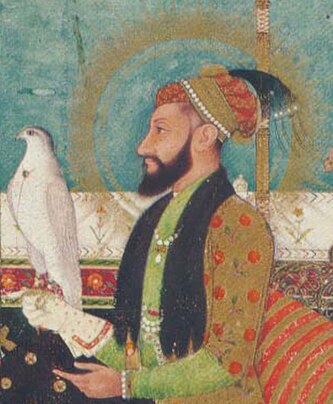
Tags
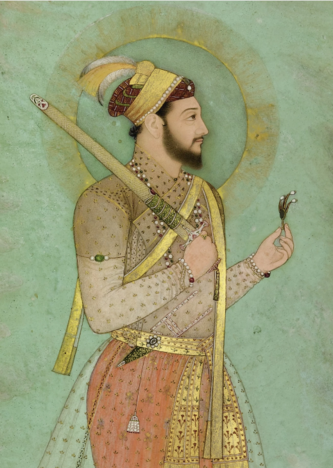
About Dara Shukoh