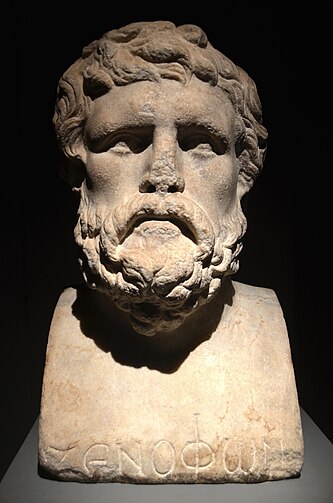
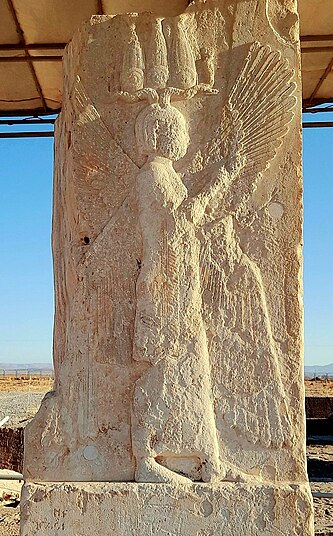
And those who were subject to him, he treated with esteem and regard, as if they were his own children, while his subjects themselves respected Cyrus as their Father ... What other man but 'Cyrus', after having overturned an empire, ever died with the title of The Father from the people whom he had brought under his power? For it is plain fact that this is a name for one that bestows, rather than for one that takes away!
What It Means
This is a placeholder explanation generated by the low-overhead model. It interprets "And those who were subject to him, he treated with esteem and regard, as if they were his own children, while his subjects themselves respected Cyrus as their Father ... What other man but 'Cyrus', after having overturned an empire, ever died with the title of The Father from the people whom he had brought under his power? For it is plain fact that this is a name for one that bestows, rather than for one that takes away!" in the context of "Xenophon, in The Cyropaedia : or, Institution of Cyrus, and the Hellenics, or Grecian history as translated by J. S Watson and Henry Dale (1855), p. 281" to mean that wisdom is timeless.
Tags
About Cyrus the Great