Correlli Barnett on William Beveridge
← Back to Correlli Barnett Profile
“It was the Beveridge Report that provided the battlefield on which the decisive struggle to win a national commitment to New Jerusalem was waged and won... As appropriate for a prophet and a brilliant Oxford intellect, Beveridge thought a lot of himself, so that righteousness went hand in hand with authoritarian arrogance and skill at manipulating the press to make him the Field Marshal Montgomery of social welfare.”
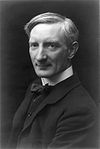
“Full Employment in a Free Society is really a sermonising tract, gloriously sweeping over difficulties human and technological to the promised land beyond. And, in the last resort, Sir William justified the practicality of his vision by simple analogy with the achievements of the wartime British economy: "The significance of war in relation to employment is that the scope of State outlay is increased immensely and indefinitely and that the State formally and openly gives up any attempt to balance its budget or limit its outlay by considerations of money". Similarly with regard to his plan for a welfare state, we are told by his daughter and biographer: "To the critics who inquired 'Can we pay for it?' the impatient reply was given, 'We can always pay for wars, this one costs £15 million a day. We will just have to afford the Beveridge Plan'."”
“[I]n his report on Full Employment in 1944 Beveridge urged an unquantified outlay of government funds in order to stimulate enough demand to bring about full employment, while admitting that such a policy in 1938 would have caused a balance-of-payments deficit of £130 million... Beveridge's answer to the conundrum lay in re-equipping industry and expanding output and exports, yet he offered no detailed analysis, no pondered advice, as to how these desirable objects were to be achieved; no costings of the investment needed and how it was to be funded; and he certainly failed to consider what effect the burden of the welfare state and the cost of maintaining full employment might have on such industrial investment. In any case he placed the need to modernise British industry and raise its productivity only third in priority in his "chosen route of planned national outlay".”