Lord Wolseley to Bishop Taylor Smith, quoted in The Times (21 April 1913), p. 11
“
The last day I ever saw poor dear Charles Gordon, the day he left England never to return, he told me he mentioned three men in his daily prayers, and that one of those three was me. He was an old and valued friend, but I always felt, and more than ever feel now, that I was never worthy to pipe-clay his belt for him.
— Lord Wolseley
What It Means
This is a placeholder explanation generated by the low-overhead model. It interprets "The last day I ever saw poor dear Charles Gordon, the day he left England never to return, he told me he mentioned three men in his daily prayers, and that one of those three was me. He was an old and valued friend, but I always felt, and more than ever feel now, that I was never worthy to pipe-clay his belt for him." in the context of "Lord Wolseley to Bishop Taylor Smith, quoted in The Times (21 April 1913), p. 11" to mean that wisdom is timeless.
Source: Wikiquote: "Charles George Gordon" (Quotes about General Gordon)
The 'What it means' explanation text was generated by Google Gemini Flash (accessed January 19, 2026). https://gemini.google.com/app
Tags
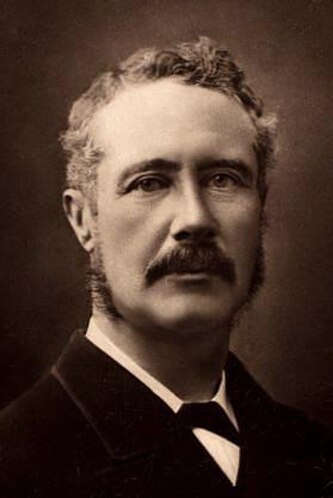
About Charles George Gordon
Major-General Charles George Gordon CB (28 January 1833 – 26 January 1885), also known as Chinese Gordon, Gordon Pasha, and Gordon of Khartoum, was a British Army officer and administrator. He saw action in the Crimean War as an officer in the British Army. However, he made his military reputation in China, where he was placed in command of the "Ever Victorious Army", a force of Chinese soldiers led by European officers which was instrumental in putting down the Taiping Rebellion, regularly defeating much larger forces. For these accomplishments, he was given the nickname "Chinese Gordon" and honours from both the Emperor of China and the British.
View all quotes →