It was to little purpose to excuse the matter, by saying, that the badness of the Verses was a kind of Testimony that they were made by a God, who nobly scorn'd to be tyed up to rules and to be confined to the Beauty of a Style. For this made no impression upon the Philosophers; who, to turn this answer into ridicule, compared it to the Story of a Painter, who being hired to draw the Picture of a Horse tumbling on his Back upon the ground, drew one running full speed: and when he was told, that this was not such a Picture as was bespoke, he turned it upside down, and then ask'd if the Horse did not tumble upon his back now. Thus these Philosophers jeered such Persons, who by a way of arguing that would serve both ways, could equally prove that the Verses were made by a God, whether they were good or bad.
What It Means
This is a placeholder explanation generated by the low-overhead model. It interprets "It was to little purpose to excuse the matter, by saying, that the badness of the Verses was a kind of Testimony that they were made by a God, who nobly scorn'd to be tyed up to rules and to be confined to the Beauty of a Style. For this made no impression upon the Philosophers; who, to turn this answer into ridicule, compared it to the Story of a Painter, who being hired to draw the Picture of a Horse tumbling on his Back upon the ground, drew one running full speed: and when he was told, that this was not such a Picture as was bespoke, he turned it upside down, and then ask'd if the Horse did not tumble upon his back now. Thus these Philosophers jeered such Persons, who by a way of arguing that would serve both ways, could equally prove that the Verses were made by a God, whether they were good or bad." in the context of "" to mean that wisdom is timeless.
Tags
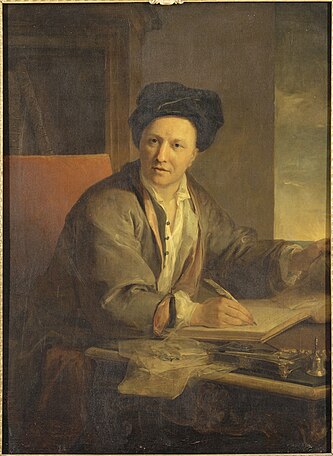
About Bernard Le Bovier de Fontenelle