Augustine of Hippo, De Bono Coniugali, ch. 16; later quoted by Thomas Aquinas, Summa Theologica, part 2, question 153, article 2, adding: "Wherefore just as the use of food can be without sin, if it be taken in due manner and order, as required for the welfare of the body, so also the use of venereal acts can be without sin, provided they be performed in due manner and order, in keeping with the end of human procreation."
“
What food is to a man's well being, such is sexual intercourse to the welfare of the whole human race.
— Augustine of Hippo on Human sexual activity
What It Means
This is a placeholder explanation generated by the low-overhead model. It interprets "What food is to a man's well being, such is sexual intercourse to the welfare of the whole human race." in the context of "Augustine of Hippo, De Bono Coniugali, ch. 16; later quoted by Thomas Aquinas, Summa Theologica, part 2, question 153, article 2, adding: "Wherefore just as the use of food can be without sin, if it be taken in due manner and order, as required for the welfare of the body, so also the use of venereal acts can be without sin, provided they be performed in due manner and order, in keeping with the end of human procreation."" to mean that wisdom is timeless.
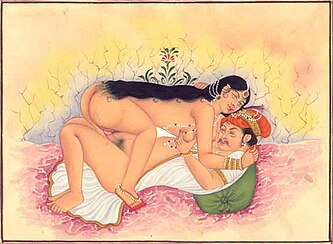
Source: Wikiquote: "Human sexual activity" (A)
The 'What it means' explanation text was generated by Google Gemini Flash (accessed January 18, 2026). https://gemini.google.com/app

About Augustine of Hippo
St. Augustine of Hippo (13 November 354 – 28 August 430) was a Christian theologian, rhetor, North African bishop, Doctor of the Catholic Church, saint, and a philosopher influenced in his early years by Manichaeism and the Neo-Platonism of Plotinus.
About Augustine of Hippo
St. Augustine of Hippo (13 November 354 – 28 August 430) was a Christian theologian, rhetor, North African bishop, Doctor of the Catholic Church, saint, and a philosopher influenced in his early years by Manichaeism and the Neo-Platonism of Plotinus.
View all quotes →