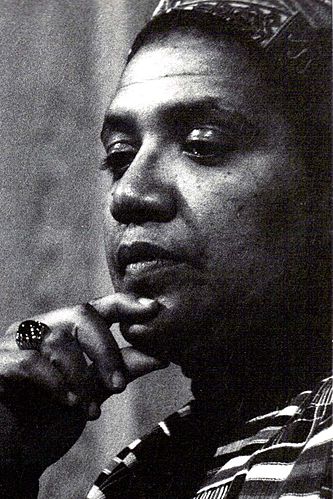
In a uniquely distinct way, Audre Lorde's and Toni Cade Bambara's presence in Bridge also impacted ''Bridge'''s success. Audre and Toni were exemplary sister-writers, emblematic of that great surge of Black feminist writing spilling into our hands in 1970s and 80s. As "sisters of the yam"... they stood up in unwavering solidarity with the rest of us "sisters of the rice, sisters of the corn, sisters of the plantain" and that mattered. It helped put Bridge, coedited by two "unknown" Chicana writers, on the political-literary map. All in all, it was a brave moment in feminist history.
What It Means
This is a placeholder explanation generated by the low-overhead model. It interprets "In a uniquely distinct way, Audre Lorde's and Toni Cade Bambara's presence in Bridge also impacted ''Bridge'''s success. Audre and Toni were exemplary sister-writers, emblematic of that great surge of Black feminist writing spilling into our hands in 1970s and 80s. As "sisters of the yam"... they stood up in unwavering solidarity with the rest of us "sisters of the rice, sisters of the corn, sisters of the plantain" and that mattered. It helped put Bridge, coedited by two "unknown" Chicana writers, on the political-literary map. All in all, it was a brave moment in feminist history." in the context of "Cherríe Moraga, This Bridge Called My Back 4th edition (2014)" to mean that wisdom is timeless.
Tags
About Audre Lorde