The haughty step and demeanour of the king of the Huns expressed the consciousness of his superiority above the rest of mankind; and he had a custom of fiercely rolling his eyes, as if he wished to enjoy the terror which he inspired. Yet this savage hero was not inaccessible to pity; his suppliant enemies might confide in the assurance of peace or pardon; and Attila was considered by his subjects as a just and indulgent master. He delighted in war; but, after he had ascended the throne in a mature age, his head, rather than his hand, achieved the conquest of the North; and the fame of an adventurous soldier was usefully exchanged for that of a prudent and successful general.
What It Means
This is a placeholder explanation generated by the low-overhead model. It interprets "The haughty step and demeanour of the king of the Huns expressed the consciousness of his superiority above the rest of mankind; and he had a custom of fiercely rolling his eyes, as if he wished to enjoy the terror which he inspired. Yet this savage hero was not inaccessible to pity; his suppliant enemies might confide in the assurance of peace or pardon; and Attila was considered by his subjects as a just and indulgent master. He delighted in war; but, after he had ascended the throne in a mature age, his head, rather than his hand, achieved the conquest of the North; and the fame of an adventurous soldier was usefully exchanged for that of a prudent and successful general." in the context of "Edward Gibbon (1781), The History of the Decline and Fall of the Roman Empire, Vol. III, chapter 34" to mean that wisdom is timeless.

Tags
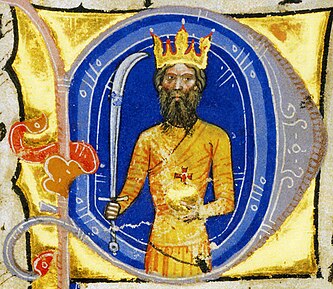
About Attila