We [Britain and the Dominions] stand on an equality, and if some foreign critics are disposed to say that standing on an equality means that we are bound to separate in a short time my view is precisely the contrary. My view most strongly is that the British Empire is now a more united organism than it has ever been before, that that organism is held together far more effectually by the broad loyalties, by the common feelings and interests—in many cases, of history—and by devotion to great world ideals of peace and freedom. A common interest in loyalty, in freedom, in ideals—that is the bond of Empire. If that is not enough, nothing else is enough.
What It Means
This is a placeholder explanation generated by the low-overhead model. It interprets "We [Britain and the Dominions] stand on an equality, and if some foreign critics are disposed to say that standing on an equality means that we are bound to separate in a short time my view is precisely the contrary. My view most strongly is that the British Empire is now a more united organism than it has ever been before, that that organism is held together far more effectually by the broad loyalties, by the common feelings and interests—in many cases, of history—and by devotion to great world ideals of peace and freedom. A common interest in loyalty, in freedom, in ideals—that is the bond of Empire. If that is not enough, nothing else is enough." in the context of "Arthur Balfour, speech in the House of Lords (8 December 1926) on the Balfour Declaration" to mean that wisdom is timeless.

Tags
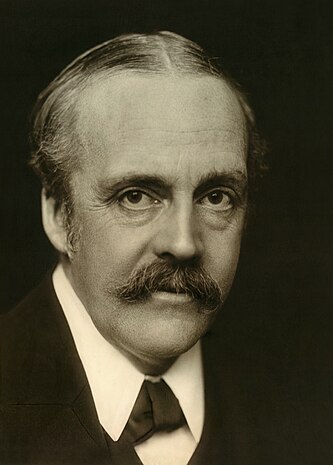
About Arthur Balfour