John Lyly, Midas (1590), Act 5, Scene 3
“
Sing to Apollo, God of Day,
Whose golden beames with morning play,
And make her eyes so brightly shine,
Aurora’s face is call’d Divine.
Sing to Phoebus, and that Throne
Of Diamonds which he sits upon.
Io, Pæans let us sing,
To Physickes and to Poesies King Crowne all his Altars with bright fire,
Laurels bind about his Lire,
A Daphnean Coronet for his Head,
The Muses dance about his Bed;
When on his ravishing Lute he playes,
Strew his Temple round with Bayes.
Io, Pæans let us sing,
To the glittering Delian King.
— Apollo
What It Means
This is a placeholder explanation generated by the low-overhead model. It interprets "Sing to Apollo, God of Day,
Whose golden beames with morning play,
And make her eyes so brightly shine,
Aurora’s face is call’d Divine.
Sing to Phoebus, and that Throne
Of Diamonds which he sits upon.
Io, Pæans let us sing,
To Physickes and to Poesies King Crowne all his Altars with bright fire,
Laurels bind about his Lire,
A Daphnean Coronet for his Head,
The Muses dance about his Bed;
When on his ravishing Lute he playes,
Strew his Temple round with Bayes.
Io, Pæans let us sing,
To the glittering Delian King." in the context of "John Lyly, Midas (1590), Act 5, Scene 3" to mean that wisdom is timeless.
Source: Wikiquote: "Apollo" (Quotes)
The 'What it means' explanation text was generated by Google Gemini Flash (accessed January 19, 2026). https://gemini.google.com/app
Tags
About Apollo
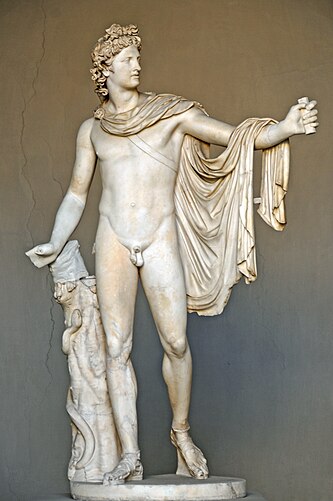
Apollo, deity of archery, healing, herds and flocks, knowledge, light, music and arts, oracles, and protection of the young, in Greek and Roman religion.
About Apollo
Apollo, deity of archery, healing, herds and flocks, knowledge, light, music and arts, oracles, and protection of the young, in Greek and Roman religion.
View all quotes →