Apollonius of Tyana, letter to Euphrates, Epp. Apoll. 15
“
Plato said that virtue has no master. If a person does not honor this principle and rejoice in it, but is purchasable for money, he creates many masters for himself.
— Apollo on Refusal of work
What It Means
This is a placeholder explanation generated by the low-overhead model. It interprets "Plato said that virtue has no master. If a person does not honor this principle and rejoice in it, but is purchasable for money, he creates many masters for himself." in the context of "Apollonius of Tyana, letter to Euphrates, Epp. Apoll. 15" to mean that wisdom is timeless.
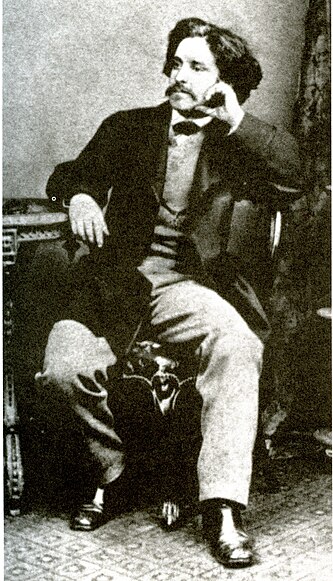
Source: Wikiquote: "Refusal of work" (A)
The 'What it means' explanation text was generated by Google Gemini Flash (accessed January 19, 2026). https://gemini.google.com/app
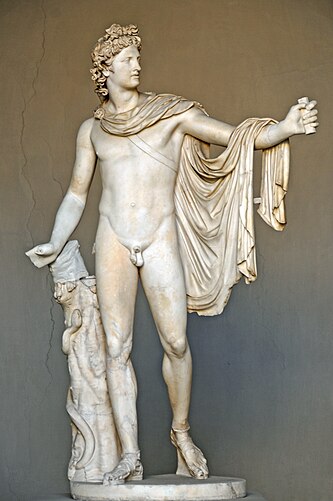
About Apollo
Apollo, deity of archery, healing, herds and flocks, knowledge, light, music and arts, oracles, and protection of the young, in Greek and Roman religion.
About Apollo
Apollo, deity of archery, healing, herds and flocks, knowledge, light, music and arts, oracles, and protection of the young, in Greek and Roman religion.
View all quotes →