Annie Besant, My Path to Atheism (1888)
“
I wish at the outset, for the sake of justice and candour, to acknowledge frankly the good which has been drawn forth by the preaching of the Cross. This good has been, however, the indirect rather than the direct result of a belief in the Atonement. The doctrine, in itself, has nothing elevating about it, but the teaching closely connected with the doctrine has its ennobling and purifying side.
— Annie Besant on Atonement
What It Means
This is a placeholder explanation generated by the low-overhead model. It interprets "I wish at the outset, for the sake of justice and candour, to acknowledge frankly the good which has been drawn forth by the preaching of the Cross. This good has been, however, the indirect rather than the direct result of a belief in the Atonement. The doctrine, in itself, has nothing elevating about it, but the teaching closely connected with the doctrine has its ennobling and purifying side." in the context of "Annie Besant, My Path to Atheism (1888)" to mean that wisdom is timeless.
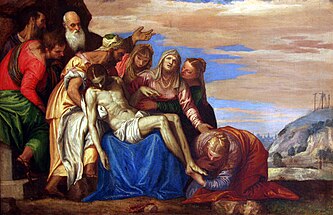
Source: Wikiquote: "Atonement" (Quotes)
The 'What it means' explanation text was generated by Google Gemini Flash (accessed January 18, 2026). https://gemini.google.com/app
Tags

About Annie Besant
Annie Besant (1 October 1847 – 20 September 1933) was a British socialist, theosophist, women's rights activist, writer, orator, educationist, and philanthropist. She was an ardent supporter of both Irish and Indian self-rule. Besant met the co-founder of the Theosophical Society, Helena Blavatsky in 1890 and became a prominent member of the group.
View all quotes →