Link Copied!
Anne Sexton Quotes (1928-1974)
Writer, Poet
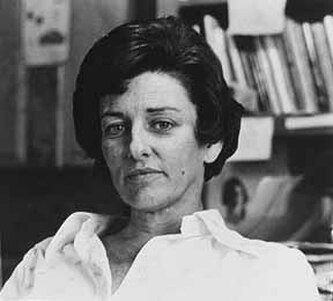


About Anne Sexton
Anne Sexton (November 9, 1928 - October 4, 1974), born Anne Gray Harvey, was an American poet and writer. She won the Pulitzer Prize in poetry in 1967 for Live or Die.
Best Anne Sexton Quotes
Shortest
Earliest
Explore our curated collection of the most famous and impactful Anne Sexton quotes.


“I grow old on my bitterness.”


“As for me, I am a watercolor.
I wash off.”
I wash off.”

“I imitate
a memory of belief
that I do not own.”
a memory of belief
that I do not own.”

“Even so, I must admire your skill.
You are so gracefully insane.”
You are so gracefully insane.”
“Dearest,
although everything has happened,
nothing has happened.”
although everything has happened,
nothing has happened.”
“The tongue, the Chinese say,
is like a sharp knife:
it kills
without drawing blood.”
is like a sharp knife:
it kills
without drawing blood.”
“I am stuffing your mouth with your
promises and watching
you vomit them out upon my face.”
promises and watching
you vomit them out upon my face.”
“Beauty is a simple passion,
but, oh my friends, in the end
you will dance the fire dance in iron shoes.”
but, oh my friends, in the end
you will dance the fire dance in iron shoes.”


Anne Sexton Quotes by Topic
Find exactly what you are looking for by browsing this categorized list of Anne Sexton quotes by topic.
Anne Sexton on Incest
“Each night I am nailed into place and forget who I am. Daddy? That's another kind of prison. It's not the prince at all, but my father drunkeningly bends over my bed, circling the abyss like a shark, my father thick upon me like some sleeping jellyfish. What voyage is this, little girl? This coming out of prison? God help — this life after death?”
What Anne Sexton Said About Others
Discover personal opinions Anne Sexton shared regarding contemporaries.
Anne Sexton on Women

Anne Sexton on Robert Lowell
“He was formal in a rather awkward New England sense. His voice was soft and slow as he read the students' poems. At first I felt the impatient desire to interrupt his slow, line-by-line readings. He would read the first line, stop, and then discuss it at length. I wanted to go through the whole poem quickly and then go back. I couldn't see any merit in dragging through it until you almost hated the damned thing, even your own poems, especially your own. At that point, I wrote to Snodgrass about my impatience, and his reply went this way, "Frankly, I used to nod my head at his every statement, and he taught me more than a whole gang of scholars could." So I kept my mouth shut, and Snodgrass was right. Robert Lowell's method of teaching is intuitive and open. After he had read a student's poem, he would read another evoked by it. Comparison was often painful. He worked with a cold chisel, with no more mercy than a dentist. He got out the decay, but if he was never kind to the poem, he was kind to the poet.”

About Anne Sexton
Anne Sexton (November 9, 1928 - October 4, 1974), born Anne Gray Harvey, was an American poet and writer. She won the Pulitzer Prize in poetry in 1967 for Live or Die.