[C]an you beleeve we will ever truckle to that Monster who from ye first moment of his coming has used us ... but Suppose I did submitt & that the King could change his nature so much as to use me with humanety, how would all reasonable people despise me, how would that Dutch abortive laugh at me & please himself with haveing got ye better. ... No my deare Mrs. Freeman never beleve your faithfull Mrs. Morely will ever submitt, she can waite with patience for a SunShine day & if She does not live to see it yet She hopes England will flourish againe.
What It Means
This is a placeholder explanation generated by the low-overhead model. It interprets "[C]an you beleeve we will ever truckle to that Monster who from ye first moment of his coming has used us ... but Suppose I did submitt & that the King could change his nature so much as to use me with humanety, how would all reasonable people despise me, how would that Dutch abortive laugh at me & please himself with haveing got ye better. ... No my deare Mrs. Freeman never beleve your faithfull Mrs. Morely will ever submitt, she can waite with patience for a SunShine day & if She does not live to see it yet She hopes England will flourish againe." in the context of "Letter to Lady Marlborough after William III demanded that she dismiss Lady Marlborough from her household (19 March 1692), quoted in Edward Gregg, Queen Anne (2001), p. 89" to mean that wisdom is timeless.
Tags
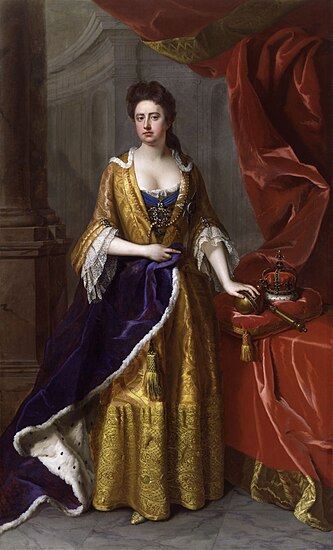
About Anne of Great Britain