The liberal never knew what kind of society he intended until he had, in fact, made it. If we, on the other hand, accept the obligation of planning the direction of economic activity, then we accept with it the burden of deciding who and what must first be served. ... This is the complex answer to those who think socialism is merely a matter of appetite. On the contrary, it is the first time in human history that mankind will have accepted the obligation of free collective moral choice as the ultimate arbiter in social affairs. This, in truth, is the People's Coming of Age.
What It Means
This is a placeholder explanation generated by the low-overhead model. It interprets "The liberal never knew what kind of society he intended until he had, in fact, made it. If we, on the other hand, accept the obligation of planning the direction of economic activity, then we accept with it the burden of deciding who and what must first be served. ... This is the complex answer to those who think socialism is merely a matter of appetite. On the contrary, it is the first time in human history that mankind will have accepted the obligation of free collective moral choice as the ultimate arbiter in social affairs. This, in truth, is the People's Coming of Age." in the context of "Article in Tribune shortly before the 1950 general election, quoted in Alan Budd, The Politics of Economic Planning (1978), p. 78" to mean that wisdom is timeless.
Tags
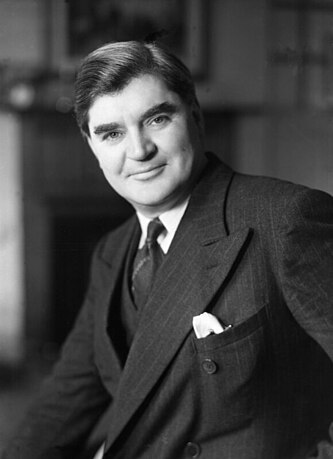
About Aneurin Bevan