Irony is the gaiety of reflection and the joy of wisdom.
• Series III: Rabelais http://www.gutenberg.org/files/19345/19345-8.txt
• Series III: Rabelais http://www.gutenberg.org/files/19345/19345-8.txt
“
L'ironie, c'est la gaieté de la réflexion et la joie de la sagesse.
— Anatole France
What It Means
This is a placeholder explanation generated by the low-overhead model. It interprets "L'ironie, c'est la gaieté de la réflexion et la joie de la sagesse." in the context of "Irony is the gaiety of reflection and the joy of wisdom.
• Series III: Rabelais http://www.gutenberg.org/files/19345/19345-8.txt" to mean that wisdom is timeless.
Source: Wikiquote: "Anatole France" (Quotes, The Literary Life (1888-1892): La Vie Littéraire - Full text online (French))
The 'What it means' explanation text was generated by Google Gemini Flash (accessed January 18, 2026). https://gemini.google.com/app
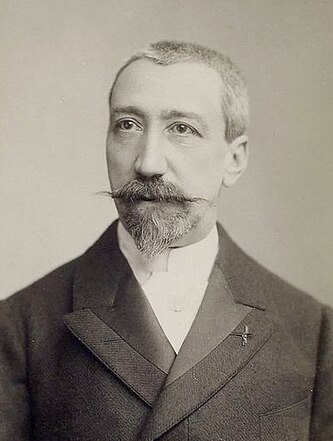
About Anatole France
Anatole France (16 April 1844 – 12 October 1924), born Jacques Anatole François Thibault, was a French poet, journalist, and novelist. Ironic and skeptical, he was considered in his day the ideal French man of letters. A member of the Académie française, he won the 1921 Nobel Prize in Literature in recognition of his literary achievements. He is widely believed to be the model for the narrator's literary idol "Bergotte" in Marcel Proust's In Search of Lost Time.
View all quotes →