Book Three, Chapter XI.
“
Nothing is quite so wretchedly corrupt as an aristocracy which has lost its power but kept its wealth and which still has endless leisure to devote to nothing but banal enjoyments. All its great thoughts and passionate energy are things of the past, and nothing but a host of petty, gnawing vices now cling to it like worms to a corpse.
— Alexis de Tocqueville
What It Means
This is a placeholder explanation generated by the low-overhead model. It interprets "Nothing is quite so wretchedly corrupt as an aristocracy which has lost its power but kept its wealth and which still has endless leisure to devote to nothing but banal enjoyments. All its great thoughts and passionate energy are things of the past, and nothing but a host of petty, gnawing vices now cling to it like worms to a corpse." in the context of "Book Three, Chapter XI." to mean that wisdom is timeless.

Source: Wikiquote: "Alexis de Tocqueville" (Quotes, 1840s, Democracy in America, Volume II (1840))
The 'What it means' explanation text was generated by Google Gemini Flash (accessed January 18, 2026). https://gemini.google.com/app
Tags
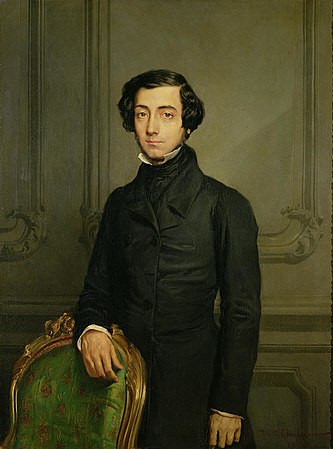
About Alexis de Tocqueville
Alexis-Charles-Henri Clérel de Tocqueville (29 July 1805 – 16 April 1859) was a French political thinker and historian, most famous for his work Democracy in America.
About Alexis de Tocqueville
Alexis-Charles-Henri Clérel de Tocqueville (29 July 1805 – 16 April 1859) was a French political thinker and historian, most famous for his work Democracy in America.
View all quotes →