Alexander Skutch, "Life's Greatest Evil", The Scientific Monthly, Vol. 66, Iss. 6 (Jun. 1948), p. 514
“
After long pondering, I believe that I can define good and evil in terms to which even a biologist of the mechanical school can hardly take exception. At least, I fancy that I can do so for evil. The great evil of life is parasitism.
— Alexander Skutch on Parasitism
What It Means
This is a placeholder explanation generated by the low-overhead model. It interprets "After long pondering, I believe that I can define good and evil in terms to which even a biologist of the mechanical school can hardly take exception. At least, I fancy that I can do so for evil. The great evil of life is parasitism." in the context of "Alexander Skutch, "Life's Greatest Evil", The Scientific Monthly, Vol. 66, Iss. 6 (Jun. 1948), p. 514" to mean that wisdom is timeless.
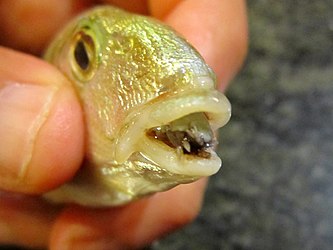
Source: Wikiquote: "Parasitism" (S)
The 'What it means' explanation text was generated by Google Gemini Flash (accessed January 18, 2026). https://gemini.google.com/app
Tags

About Alexander Skutch
Alexander Frank Skutch (May 20, 1904 – May 12, 2004) was a naturalist and writer. He published numerous scientific papers and books about birds and several books on philosophy. He is best remembered ornithologically for his pioneering work on helpers at the nest.
About Alexander Skutch
Alexander Frank Skutch (May 20, 1904 – May 12, 2004) was a naturalist and writer. He published numerous scientific papers and books about birds and several books on philosophy. He is best remembered ornithologically for his pioneering work on helpers at the nest.
View all quotes →