“
But if authors, even of taste and genius, be found at times to have made an injudicious use of that liberty which is allowed in the translation of poetry, we must expect to see it miserably abused indeed, where those talents are evidently wanting.
— Alexander Fraser Tytler
What It Means
This is a placeholder explanation generated by the low-overhead model. It interprets "But if authors, even of taste and genius, be found at times to have made an injudicious use of that liberty which is allowed in the translation of poetry, we must expect to see it miserably abused indeed, where those talents are evidently wanting." in the context of "p. 105" to mean that wisdom is timeless.

Source: Wikiquote: "Alexander Fraser Tytler" (Quotes, Essay on the Principles of Translation (1791, 2nd edition 1797, 3rd edition 1813))
The 'What it means' explanation text was generated by Google Gemini Flash (accessed January 18, 2026). https://gemini.google.com/app
Tags
About Alexander Fraser Tytler
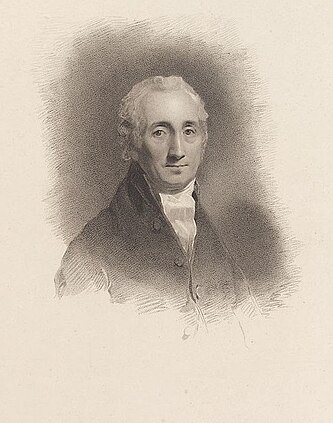
Alexander Fraser Tytler, Lord Woodhouselee (October 15, 1747 – January 5, 1813) was a Scottish-born British lawyer and writer.
About Alexander Fraser Tytler
Alexander Fraser Tytler, Lord Woodhouselee (October 15, 1747 – January 5, 1813) was a Scottish-born British lawyer and writer.
View all quotes →