“
The real purpose in levying jizya on them (the non-Muslims) is to humiliate then to such an extent that, on account of fear of jizva, they may not be able to dress well and to live in grandeur. They should constantly remain terrified and trembling. It in intended to hold them under contempt and to uphold the honour and might of Islam.
— Ahmad Sirhindi
What It Means
This is a placeholder explanation generated by the low-overhead model. It interprets "The real purpose in levying jizya on them (the non-Muslims) is to humiliate then to such an extent that, on account of fear of jizva, they may not be able to dress well and to live in grandeur. They should constantly remain terrified and trembling. It in intended to hold them under contempt and to uphold the honour and might of Islam." in the context of "" to mean that wisdom is timeless.
Source:
The 'What it means' explanation text was generated by Google Gemini Flash (accessed January 18, 2026). https://gemini.google.com/app
Tags
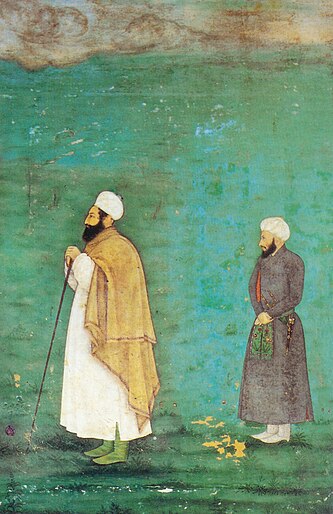
About Ahmad Sirhindi
Ahmad al-Fārūqī al-Sirhindī (26 June 1564 — 10 December 1624) was an Indian Islamic scholar, a Hanafi jurist, and a member of the Naqshbandī Sufi order. He has been described by some followers as a Mujaddid, meaning a “reviver", for his work in rejuvenating Islam and opposing the newly made religion of Din-i Ilahi and other problematic opinions of Mughal emperor Akbar. While early South Asian scholarship credited him for contributing to conservative trends in Indian Islam, more recent works, notably by ter Haar, Friedman, and Buehler, have pointed to Sirhindi's significant contributions to Sufi epistemology and practices.
View all quotes →